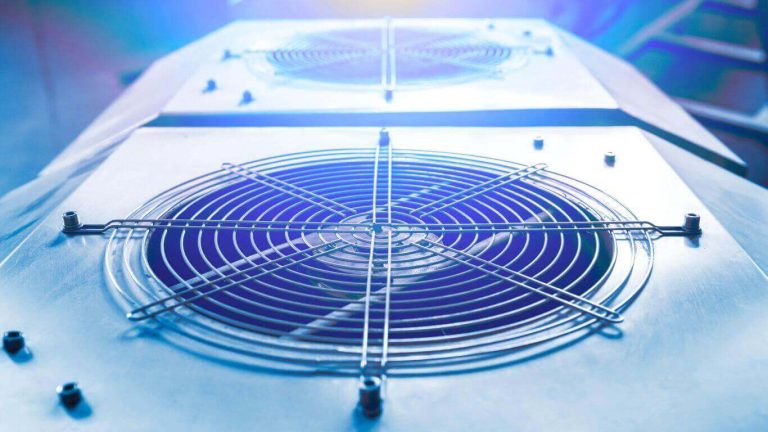
The telecommunications sector is undergoing a significant transformation, and cooling systems are no exception. With growing concern for sustainability, the cooling solutions in telecom cabinets are evolving to comply with environmental regulations.
In this context, R513A has emerged as the preferred option over traditional refrigerants such as R134a. If you’re wondering how this change will affect your infrastructure and what you need to do to adapt, this article will guide you through everything you need to know.
Why we’re phasing out R134a
R134a is a synthetic refrigerant in the hydrofluorocarbon (HFC) family that has been used for years in refrigeration and air-conditioning systems. With a high Global Warming Potential (GWP) of 1,430, its environmental impact is considerable. Although it does not deplete the ozone layer, its significant greenhouse-gas emissions have raised concerns—especially in sectors like telecommunications, where cooling cabinets are a major source of such emissions.
The EU’s F-Gas Regulation, designed to reduce emissions of fluorinated gases that trap heat very effectively, charts a path toward eliminating high-GWP refrigerants such as R134a.
When will R134a be banned?
European regulations on fluorinated gases are clear: from 2027 onward, the use of R134a in commercial and refrigeration applications will be drastically reduced. This will particularly affect companies in the telecommunications sector, where R134a is extensively used. Businesses must adapt by adopting alternatives or upgrading existing cooling systems to meet new requirements.
Environmental and energy advantages of R513A over R134a
R513A is a blend of two refrigerant gases designed to offer an eco-friendly solution without compromising cooling performance. Its advantages include:
- Lower environmental impact. R513A’s GWP is just 630 (less than half that of R134a) making it far more climate-friendly and compliant with EU regulations, helping companies reduce their carbon footprint.
- Greater energy efficiency. Many installations see reduced power use with R513A, translating into environmental, economic, and operational benefits.
- Existing-equipment compatibility. Most R134a systems can switch to R513A with minimal or no modification, simplifying the transition and minimizing upgrade costs.
- Enhanced safety. R513A is non-flammable and rated safe for telecom applications, providing peace of mind for technicians and operators alike.
European regulations and their industry impact
European legislation is the driving force behind the shift to greener refrigerants. By restricting high-GWP gases, the F-Gas Regulation compels telecom operators to retrofit their cooling systems to comply with new directives.
Companies that fail to upgrade risk penalties and loss of competitive edge in an increasingly regulated market.
Adapting air-conditioning systems in Telecom Cabinets
Converting telecom-cabinet air-conditioning units to R513A is a critical step. Although the transition may sound challenging, many modern cabinet-cooling systems are already R513A-ready, making integration straightforward.
How to prepare your existing installations
If your facilities still run on R134a, follow these steps for an efficient transition to R513A:
- Equipment audit. Confirm that your air-conditioning units are R513A-compatible. A professional check will help avoid surprises.
- Training & Technical support. Ensure maintenance staff receive proper training and have access to specialized technical support for a smooth implementation.
- Long-term planning. Don’t wait until the last minute, plan phased upgrades and specify R513A compatibility when purchasing new units.
- Gradual replacement. Replace end-of-life R134a systems first or start with newer units to spread out costs and minimize operational impact.
When to choose Free Cooling vs. R513A
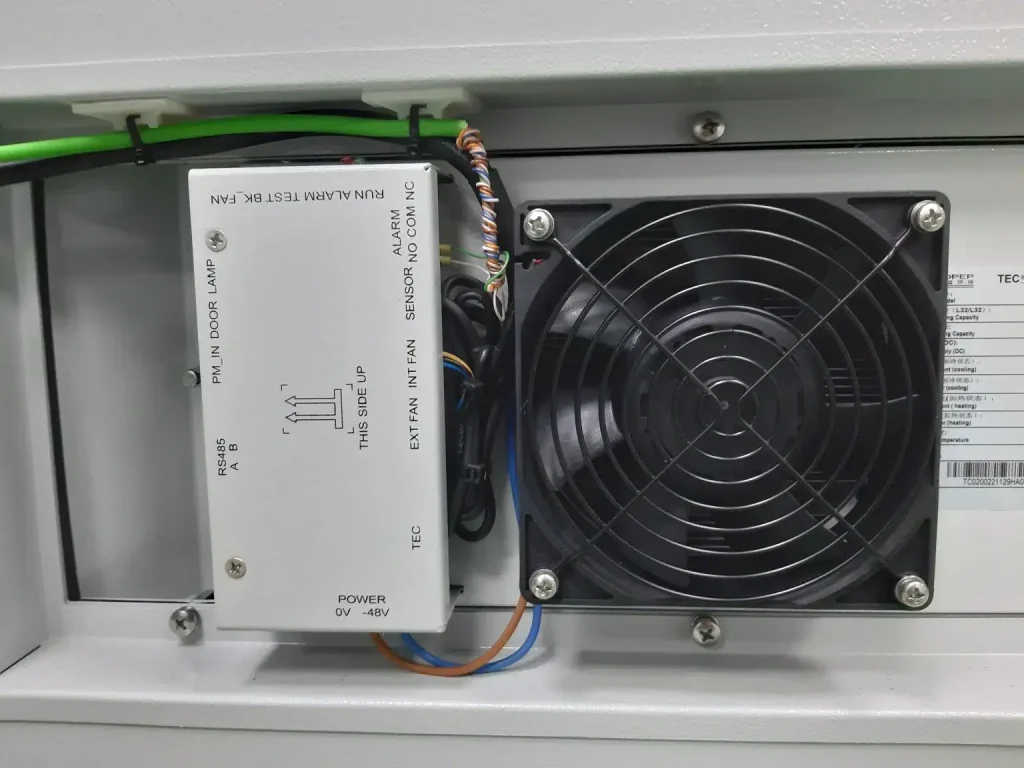
Free cooling uses outside air to lower cabinet temperatures when external conditions permit. It’s exceptionally energy-efficient in cool climates or seasons, reducing reliance on compressor-based systems. However, in warm regions or during heatwaves, free cooling alone may not suffice.
Both R513A and free cooling boost efficiency and cut environmental impact, but they’re complementary rather than mutually exclusive. R513A ensures consistent, reliable cooling, while free cooling can be used alongside it when weather conditions allow, maximizing overall efficiency.
Quick comparison: R513A vs. Free Cooling
| R513A | Free Cooling | |
| Dependence on outdoor temp. | Works regardless of outside temperature. Always ready | Requires low external temps to be effective |
| Energy efficiency | Very efficient in compressor-based systems | Extremely efficient when conditions permit |
| Implementation ease | Simple retrofit for existing R134a systems | Needs additional hardware (heat exchangers, sensors) |
| Initial cost | Low—minimal infrastructure changes | Higher, due to investment in new equipment |
| Environmental impact | Low GWP, but still a refrigerant gas | Near zero. No refrigerants used |
| Long-term use | Ideal for sites needing constant cooling | Best for cold climates; less effective in heat |
As you can see, the choice between R513A and Free Cooling depends on the operational context.
While R513A offers a more sustainable alternative to traditional refrigerants in closed systems, Free Cooling provides a more energy-efficient and cost-effective long-term solution in suitable climates. When environmental conditions allow, integrating Free Cooling can lead to significant reductions in operational costs and a lower carbon footprint. In more demanding environments or where space is limited, R513A remains a viable option with lower technical complexity.
At Berrade, we help make the transition smooth and effective
The transition from R134a to R513A goes beyond just “‘”compliance”: it’s a great opportunity to make your systems more sustainable and efficient. Using R513A helps reduce the environmental impact of your infrastructure, save energy, and ensure you’re ready for what’s ahead.
If you’re considering the move towards a more efficient and sustainable infrastructure, get in touch, we’ll assess how we can help you optimise your telecommunications systems.