In the realm of transportation infrastructures, managing critical communications plays a decisive role in ensuring the safety and continuous operation of services. In this context, the GSM-R system (Global System for Mobile Communications – Railway) emerges as an indispensable technology, especially in railway environments, where reliability and security are paramount.
What is the GSM-R System?
GSM-R represents a milestone in mobile communications, specifically tailored to meet the needs of the railway sector. Based on GSM technology and enriched with customized enhancements, GSM-R provides a robust and reliable platform for the efficient management of railway operations.
Technical Features of the GSM-R System
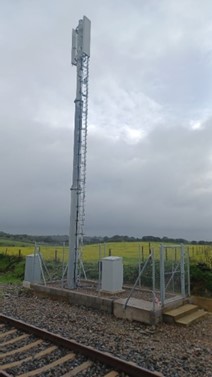
- Network Architecture: GSM-R is deployed in a network of base stations distributed along railway tracks, connected to a centralized switching network. This structure ensures seamless wireless communication between trains, operational personnel, maintenance staff, and control centers, ensuring uniform coverage and effective network management.
- Specific Frequencies: Operating on frequencies assigned exclusively for railway use, GSM-R avoids interference and ensures the quality and availability of communications. This measure strengthens network integrity and confidence in transmitting critical data even in challenging environments such as tunnels or remote areas.
- Advanced Security Functions: GSM-R incorporates a series of robust security measures, including user authentication, data encryption, and prioritization of emergency calls. These features ensure protection against intrusions and external attacks, preserving the integrity and confidentiality of communications.
- Rail-Specific Functionalities: In addition to GSM’s standard functions, GSM-R is equipped with features specifically designed for the railway environment. This includes the ability to send signaling messages and control commands between trains and control centers, facilitating safe and efficient traffic management.
- Interoperability: GSM-R seamlessly integrates with other communication systems used in the railway sector, such as signaling and traffic management systems. This interoperability ensures efficient coordination between different systems, promoting smooth communication across the entire railway network.
BERRADE’s Involvement in Railway Infrastructure Upgrades
BERRADE’s prominent involvement in the modernization of railway infrastructures, both nationally and internationally, demonstrates its expertise and leadership in the sector. Its focus is on providing infrastructure solutions specifically designed for technologies like GSM-R, known for their energy efficiency and structural resilience.
Additionally, BERRADE offers mobility solutions tailored to the needs of public transportation and critical facilities, thereby enhancing safety and operational efficiency in the railway domain. Its participation in modernizing these networks reinforces its position as a reliable and specialized technological partner in the railway sector, particularly concerning critical communications for transportation infrastructures.